
What Makes Digital X-Rays Different?
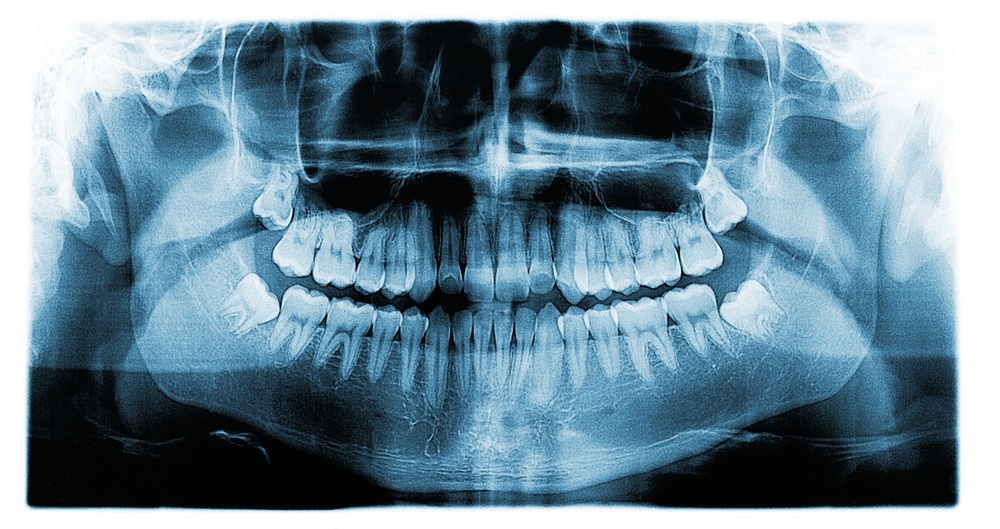
Traditional dental X-rays required chemical processing, waiting time, and exposes patients to higher levels of radiation. Digital imaging has changed all of that. The sensors used in digital radiography capture images instantly, displaying them on a computer screen within seconds. This means no more waiting in the chair while films develop, and Dr. Nassir Barekzi can review your images with you right away, pointing out areas of concern and explaining what he sees.
The radiation exposure from digital X-rays is up to 90% lower than that of conventional film X-rays. For patients who need regular monitoring or have children requiring dental imaging, this reduction matters. The precision of digital sensors also means fewer retakes, which further minimizes exposure while ensuring the images are clear enough for accurate diagnosis.
Conditions Digital Imaging Helps Detect
Digital X-rays reveal what’s happening beneath the surface of your teeth and gums. They’re essential for identifying:
- Cavities between teeth that aren’t visible during a visual exam
- Bone loss associated with gum disease
- Infections at the root of a tooth or in the surrounding bone
- Cysts or tumors in the jaw
- Problems with existing fillings or crowns
- Developmental issues in children’s teeth
Early detection through digital imaging often means simpler, less invasive treatment. A small cavity caught on an X-ray can be treated with a basic filling, while one that goes unnoticed might eventually require a root canal or extraction. The investment in quality imaging technology pays off in better outcomes and less complex procedures down the line.
How Digital X-Rays Fit Into Your Dental Visits
Most patients need bitewing X-rays (which show the upper and lower back teeth) once or twice a year, depending on their oral health status and risk factors. If you’re new to the practice, a full set of X-rays establishes a baseline for comparison in future visits. These comprehensive images help the dental team understand your complete oral health picture and create an effective care plan.
The process itself is quick and comfortable. A small sensor is positioned in your mouth, and you’ll bite down gently to hold it in place. The X-ray machine is positioned outside your mouth, and the image is captured in a fraction of a second. For patients with a strong gag reflex, digital sensors are often more comfortable than traditional film holders because they’re smaller and smoother.
Insurance Coverage and Digital X-rays in Purcellville
Diagnostic X-rays are typically covered by dental insurance as part of preventive care. Loudoun Valley Dental accepts most PPO insurance plans, and the team can help you understand what your specific policy covers. Since digital imaging is now the standard of care rather than an upgraded service, most insurance companies recognize it as a necessary part of routine dental visits.
If you’re paying out of pocket, the cost of digital X-rays is comparable to traditional film X-rays, but you get the added benefits of lower radiation, instant results, and easier storage and sharing of your records. When treatment planning requires consultation with a specialist, digital images can be sent electronically, saving time and ensuring nothing gets lost in transit.
The Bigger Picture of Modern Dental Care
Digital imaging is just one aspect of how dental practices have evolved to provide better care. When you combine advanced diagnostic tools with a skilled dentist who takes time to explain findings and discuss options, you get a level of care that makes a real difference. The office environment at Loudoun Valley Dental reflects this commitment to quality, with updated equipment and a layout designed for patient comfort.
Questions about dental procedures and what to expect are common, and the practice maintains helpful resources to address concerns. Whether you’re curious about how often X-rays are needed or what specific images show, having access to clear information helps you feel more confident about your dental care decisions.
Digital X-rays also support a broader range of general dentistry services by providing the detailed information needed for everything from simple cleanings to complex restorations. The technology behind digital X-rays continues to improve, with newer sensors capturing even finer details and software that can highlight specific areas of concern or compare images from different time periods to track changes.
Getting Started with Digital Dental Imaging
If you haven’t had dental X-rays in Purcellville recently, or if you’re establishing care with a new practice, now is a good time to schedule an appointment. Regular imaging catches problems before they become painful or expensive to fix. You can reach out to the practice to discuss scheduling or ask questions about what to expect during your visit.
Dr. Barekzi and his team use digital imaging as part of a comprehensive approach to dental health, combining thorough examinations with clear communication about findings and recommendations. For patients who’ve had negative experiences with dental visits in the past, knowing that modern technology has made diagnosis faster and more comfortable can ease some of that anxiety.
The practice is conveniently located in Purcellville, making it accessible for residents throughout Loudoun County who want quality dental care supported by current technology. Since Loudoun Valley Dental accepts most PPO insurance plans, many patients find that diagnostic imaging fits within their coverage, making it easier to maintain regular checkups without financial stress.
Don’t let uncertainty about your oral health keep you up at night. Schedule your appointment and see what modern dental imaging can reveal about your teeth and gums.